
 •
•Small patches of land are vital for the conservation of large animals and entire ecosystems. These areas also make it easier to combat environmental threats such as fire and invasive weeds. However, some areas of Australia, particularly agricultural regions, do not have the land to support large patches of land. In Western Victoria’s agricultural areas, remnant reserves sometimes cover as little as 100 hectares. These small reserves are often undervalued and overlooked. However, recent research shows that these remnant areas may be critical for the survival of smaller plant and animal species.
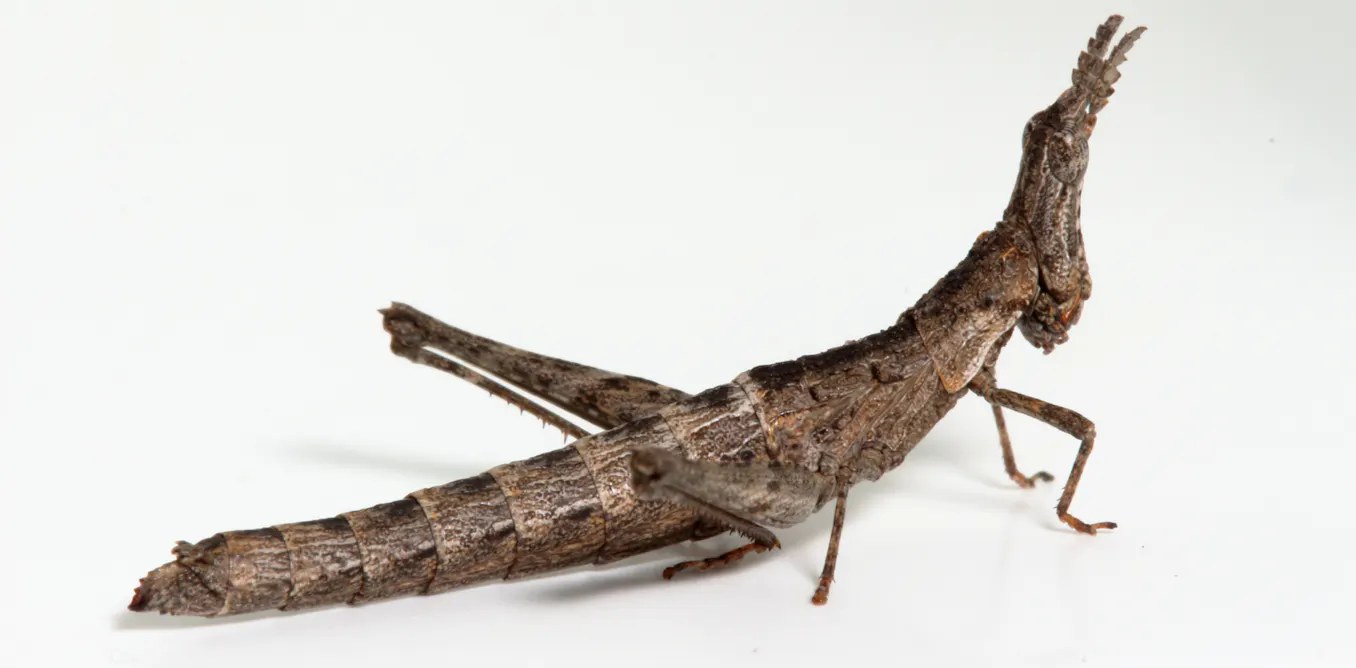
A recent study took a close look at grasshoppers in Western Victoria. The researchers discovered a previously unidentified species from the Keyacris genus, including the threatened Key’s matchstick species.
The new species, found in an area where an ancient megadrome (Lake Bungunnia) lived during the Pleistocene period, has been named the Lake Bungunnia Murray Mallee matchstick (Keyacris bungunnia). It is likely that the species lives along the shores of this lake. The unique to Australia dung beetles are found in many habitats in the country, including deserts, mulga thickets, eucalyptus forests and grasslands. Although not considered a pest, these local beetles are a natural part of Australia’s landscapes and support food webs by feeding on them.

These insects, which do not have wings until they reach adulthood, usually do not move far from where they were born. They can slowly spread over generations in areas with a stable habitat. Research shows that one species travelled 2,200 kilometres across the northern Tasmania to Victoria, while another travelled from Kalgoorlie to Broken Hill, crossing the Nullarbor Plain.
As landscapes become increasingly fragmented, environmental threats such as fire or overgrazing can wipe out entire populations. This is particularly dangerous for species like the Murray Mallee matchstick, which has no wings and is unable to migrate to other places.
The Eltham copper butterfly (Paralucia pyrodiscus lucida), one of the only known populations of the Murray Mallee matchstick, may actually indicate a high-quality habitat. Many of these insects are poorly studied, and yet they play a critical role in our local ecosystems, even though they are not as well known as bees and butterflies.
However, these valuable remnant reserves often face problems such as poorly managed and covered with weeds or covered with rubbish.