 •
•We provide shelter, veterinary care, love, education, and play to our pets. From the moment we choose their food to who they meet, we manage almost every aspect of their lives. We love our pets and want them to be safe; but there is a flip side to this care: It often comes with restrictions, limited freedom of movement, limited social choices, and constant surveillance.
Seeing free-living dogs
Participants were experienced professionals who had worked with domestic dogs for years, struggling with anxiety, aggression, or other behavioral problems. They were eager to test their assumptions about dog welfare by encountering free-living dogs directly. Some expected to see a lack of freedom or resilience that is often lacking in most domestic dogs. But most expected to encounter difficulties: dogs in conflict, in poor health, or forced to stay awake. These expectations suggest that dog welfare is associated with human management and control.

Life on the streets
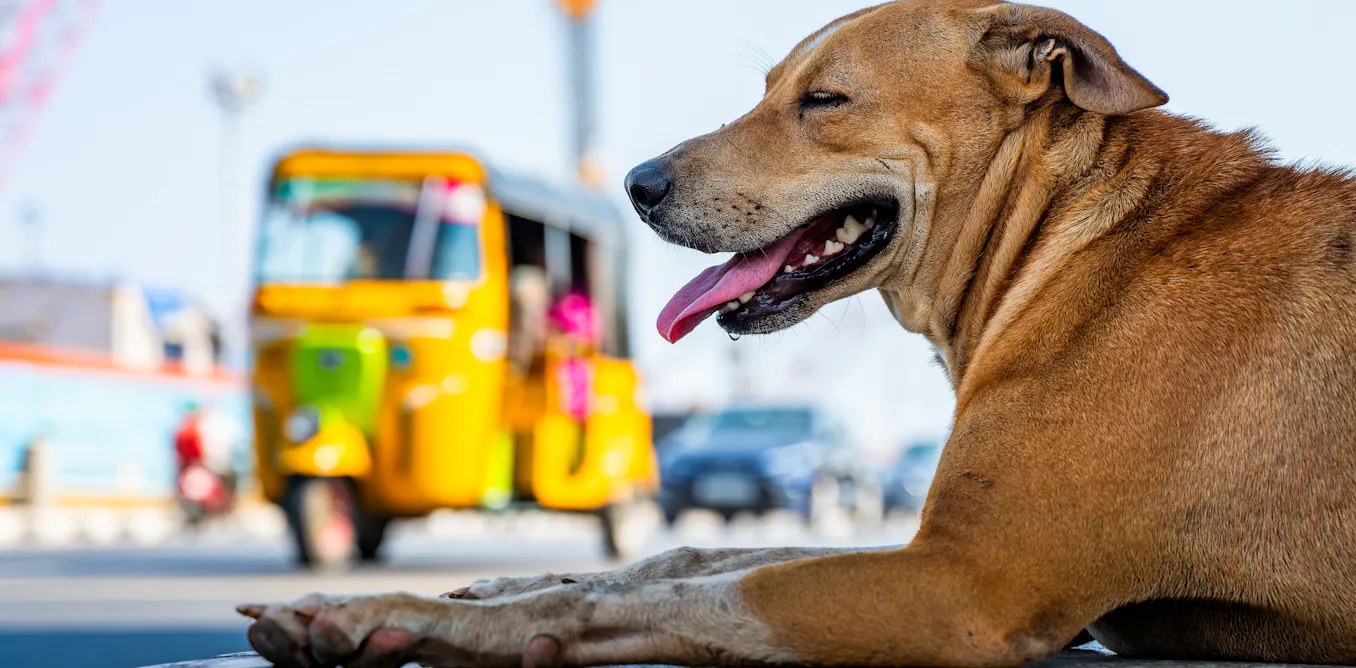
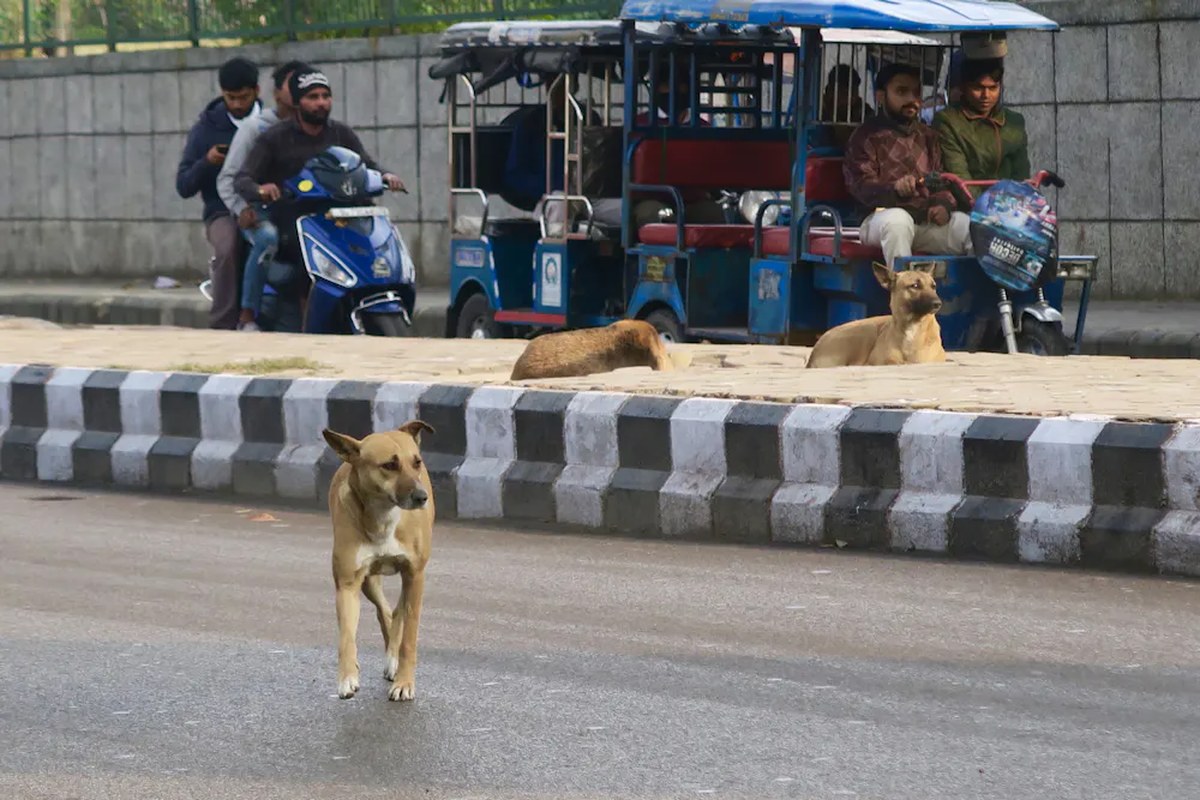
Participants found the lives of street dogs in India impressive. Most described them as socially skilled, physically robust, and competent. Dogs can navigate independently in crowded city streets and move confidently through crowds. They resolve conflicts with subtle signals such as growling and standing, choosing the right time to approach or retreat. Participants felt that street dogs seemed calm and at ease, unlike the domestic dogs they had experienced, which react by escalating their behavior.
There is no universal template
There is no universal template
It would be easy to reduce this research to a simple comparison: street cats are free, domestic cats are in prison. But that’s not the point. The point is that there is no universal template for a good cat life.
Free-living cats face serious risks, from illness and injury to hunger and hostility toward humans. We can’t give domestic cats the life that free-living cats have.
Most domestic cats spend most of their lives indoors, behind fences, in collars, in cars, or in cages. They are often taught what to do and have fairly planned routines. When a problem arises, such as anxiety or poor impulse control, the owner may interpret it as a problem caused by the cat. But cat behavior is relational – it arises from interactions between the cat and the human.
Is confinement the cure?
As cat behaviorists have moved from city to city, they have begun to question their internal models of what constitutes well-being for most cats. Is good care limited by confinement and obedience?
As one put it: When we tell our cats “you can only walk on your feet,” are we stressing them out by limiting their behavioral diversity?
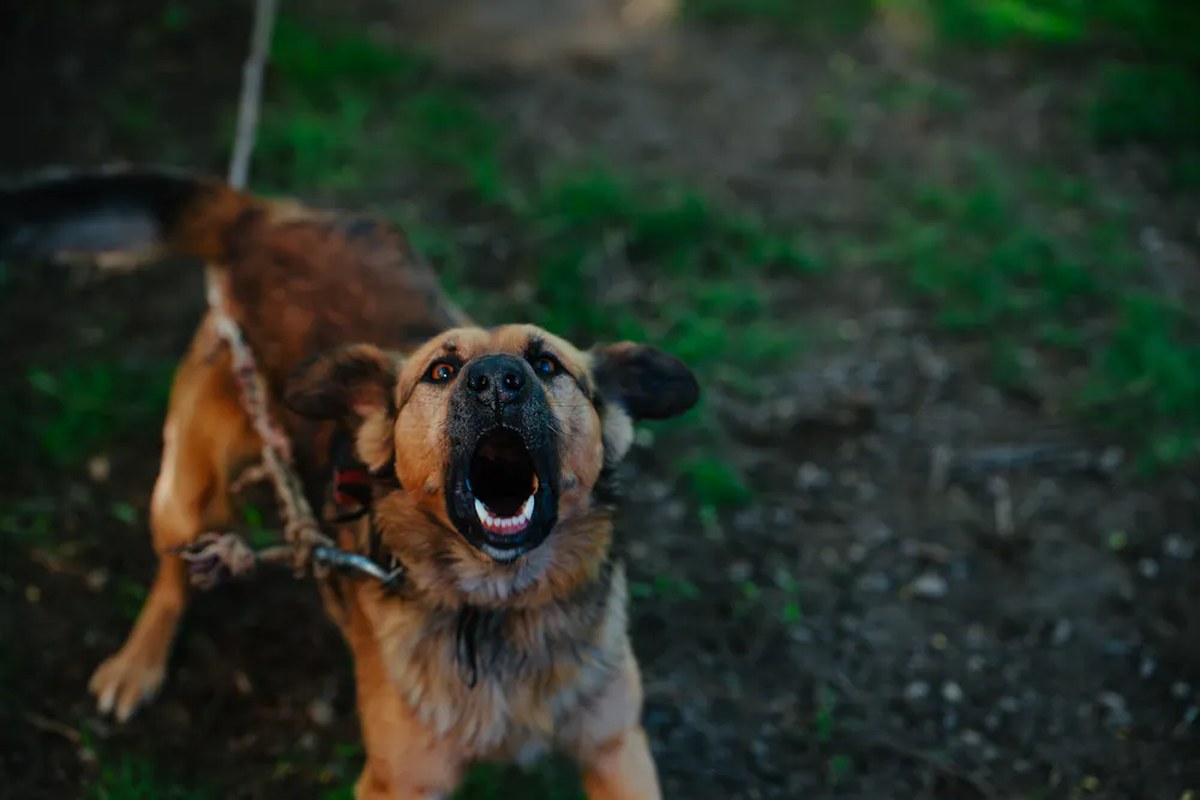
Many have wondered whether their efforts to provide a safe and loving life for their pets are hindering their beloved pets’ development of confidence, adaptability, and social skills. The result may be cats that become anxious when left alone or hiss at strangers. They may also react aggressively to others or panic in crowded places. These behaviors are real and often disturbing. But people often resort to even more confinement and control.
Asking better questions
For participants, the experience of evaluating street dogs competently and independently led them to think about giving more autonomy to domestic dogs.
Some participants had a striking transformation in their thoughts. They came to India wondering how free-living dogs survive without constant human protection. They wondered whether some of the common behavioral challenges of dogs are not failures within the pet, but a reflection of the conditions we create for them.
Most participants said that at the end of the tour, the guide’s questions had shifted from “how do street dogs survive?” to “how do domestic dogs survive?” This did not mean that free-living dogs necessarily had a better life. But they use a wide range of skills to survive in the street – from social navigation to finding food – that domestic dogs do for their pets. If domestic dogs are not too constrained, they become frustrated and develop behavioral problems.
As one participant wondered: What happens when you don’t control every aspect of it? When dogs are free to make their own decisions, they learn to cope with things.